

In 2017 a video went viral on Cuban social media. A few young men decided to burn a puppy alive in the street while recording it for all to see. They laughed while it screamed. No one who witnessed this gruesome scene did anything to stop it. For many Cubans it was their first confrontation with an unfiltered act of zoosadism. There were no excuses, no ambiguity. Just a small animal engulfed in flames and a group of humans who delighted in its suffering.
The perpetrators were briefly detained, but did not face any charges. Why? Because there was no law to punish them. The incident exposed a legal hole in Cuba, animals had no protections, no rights, and no recourse. Even when the abuse was recorded, even when the abusers showed their faces, the state had nothing to charge them with. It was a failure written into law. And it wouldn’t be the last.
In September 2018 the internet was exposed to one of the darkest scandals in animal abuse history. A whistleblower dropped a link to a Telegram channel titled Zoosadist Evidence, it contained a horrid archive of animal torture, rape, and murder shared openly among members of an underground network.
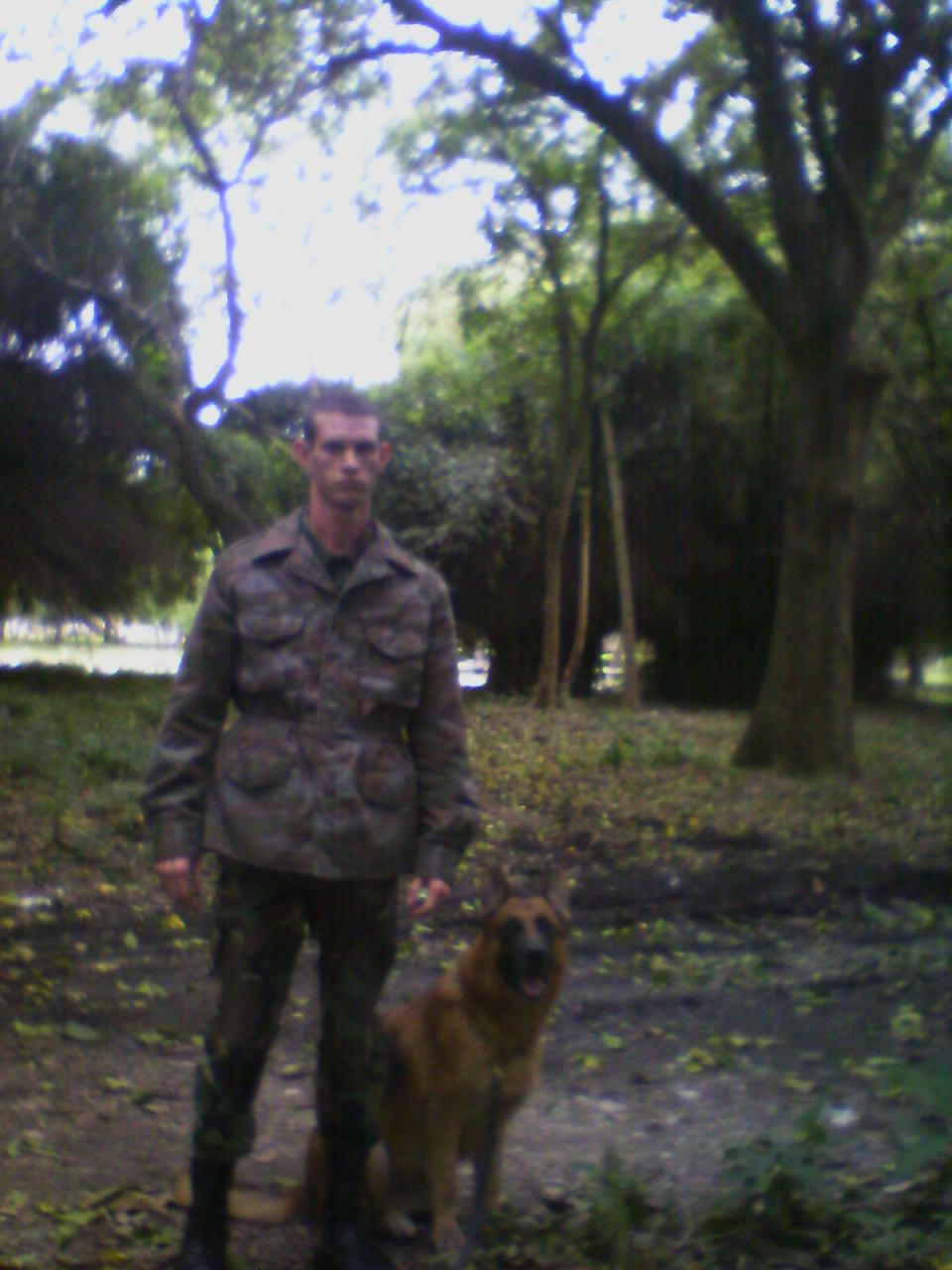
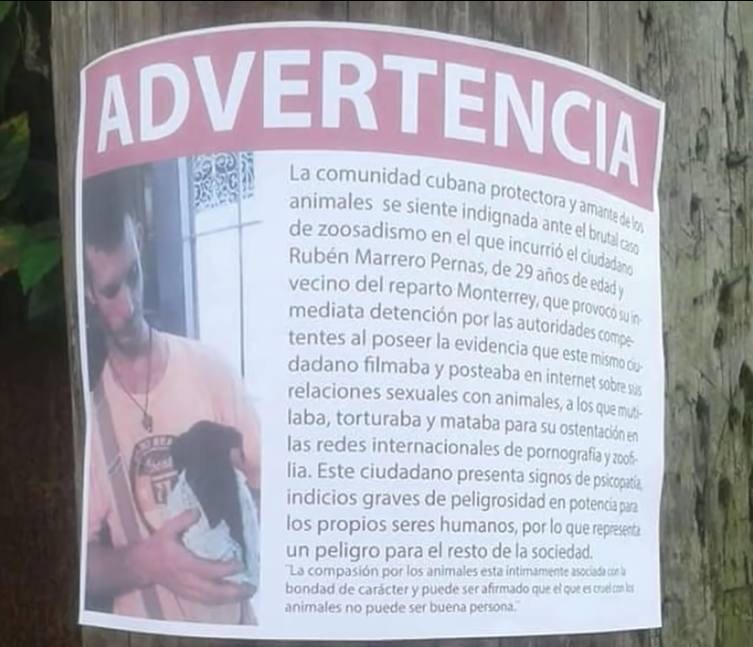
Among the dozens of identities unmasked in the subsequent fallout one stood out: Ruben Marrero Pernas, a Cuban man known online as “Woof.”
In leaked chat logs and videos, he orchestrated the rape and mutilation of puppies, killing them on camera, inviting others to join. He joked about the pain. He was a textbook zoosadist.
But when Cuban authorities were notified, they ran into the same legal wall. Cuba had no formal animal welfare legislation.
There was no criminal charges for bestiality. No laws against animal torture. Not even a fine for killing a dog in your backyard.
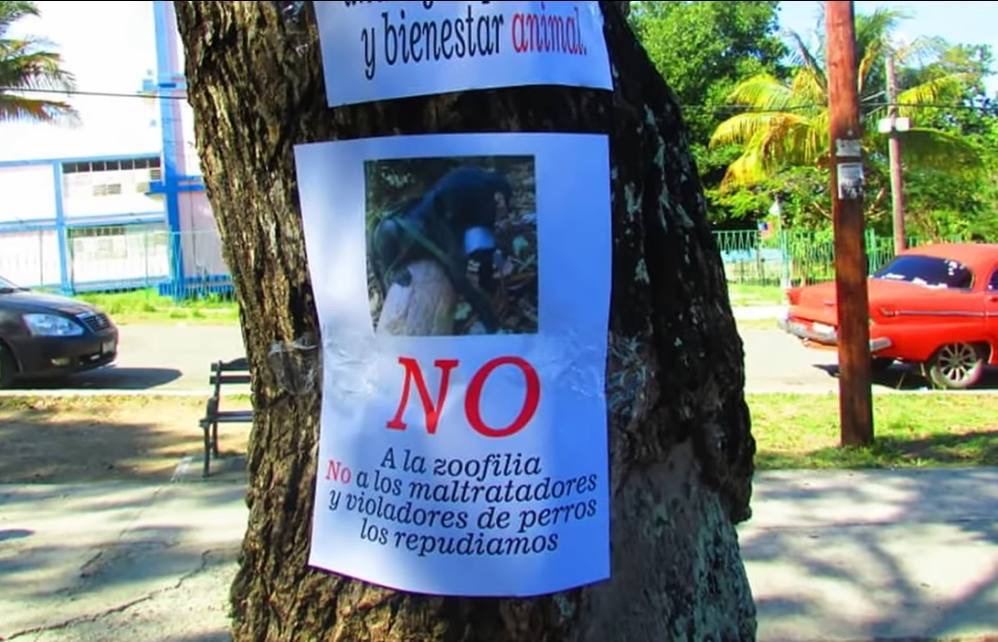
So Ruben Marrero Pernas walked free.
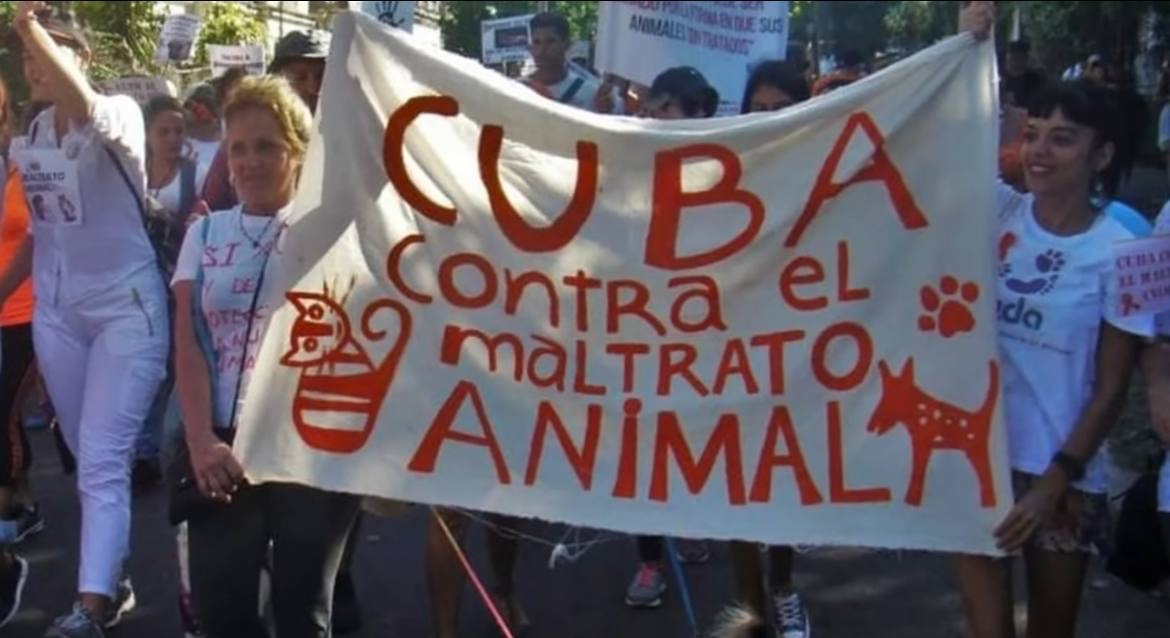
Cubans took to the streets. Protests erupted in Havana and other major cities. Animal rights activists found a rare moment of unity and momentum. The doxing of Pernas was international, and with it the anger with Cuba’s inaction. This wasn’t the last time.
In February 2021, Cuban state media made an announcement. After years of pressure, protests, and petitions, Cuba had finally passed a national Animal Protection Act. Decreto-Ley 31. It was a moment long in the making, and for many Cubans it felt like the closing of a chapter.
But that chapter had taken decades to write.
It was a first step, a legal acknowledgment that animals are not mere property, but it lacked the weight to make that recognition real. The legal tools existed, yet Cubans watched it go unused as abuse continued. Activists rightly celebrated the law as a victory. But in the years since its passage, its weakness in practice has only become more apparent.
In May 2024, the city of Cienfuegos uncovered another zoosadist. One that should have never been allowed to harm. In a quiet residential neighborhood, authorities arrested Yordenis Torres Mendoza, a man who raped, tortured, and killed animals. His home was a cemetery. Dozens of animal corpses were buried in and around the property. They had been sexually violated before being killed.
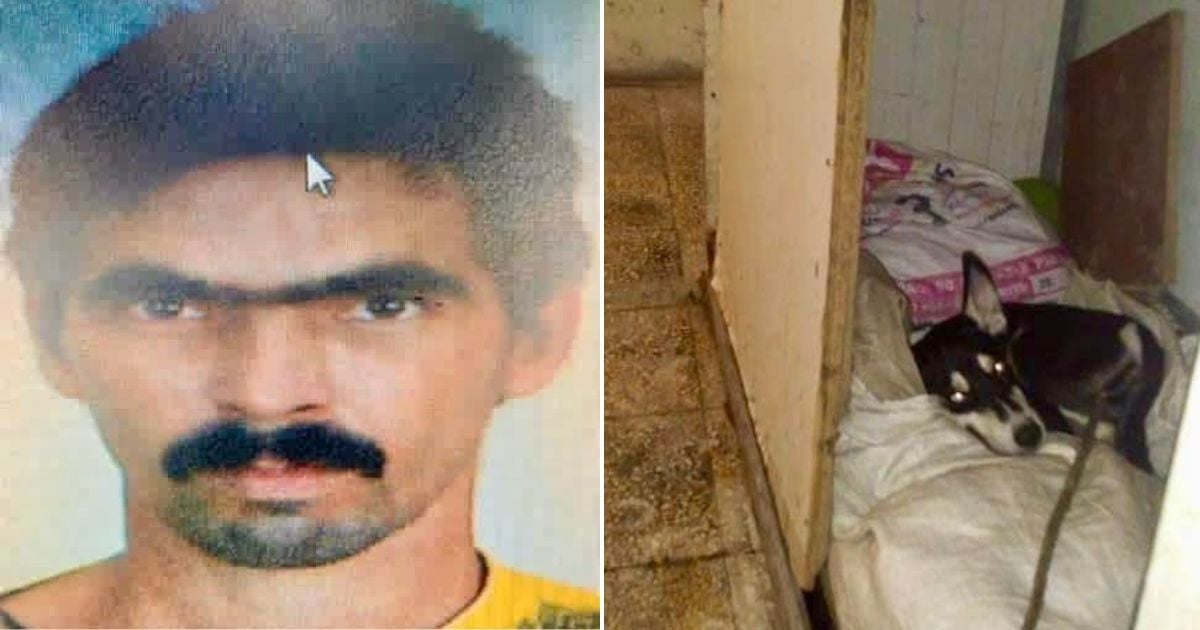
Yordenis Torres Mendoza was arrested, then shortly released. He faced no charges.
The man accused of raping, mutilating, and killing animals in Cienfuegos was released within hours of his arrest.
Despite overwhelming physical evidence, multiple eyewitness reports, and surviving animal victims, Yordenis Torres Mendoza was set free.
Outrage erupted across Cuban social media. “What are they waiting for? For this psychopath to rape a child?”
Nothing meaningful happened. The only reason Torres was even detained at all was because the evidence became too public to ignore.
The community knows who Torres is. Neighbors report him roaming with knives and machetes, stealing animals, and openly bragging about his crimes, a hallmark of zoosadists.
In April 2025, in the town of Mayarí, Holguín, three neighbors allegedly threw a cat named Luna off a third-story balcony, then beat her and set a dog on her until she died.
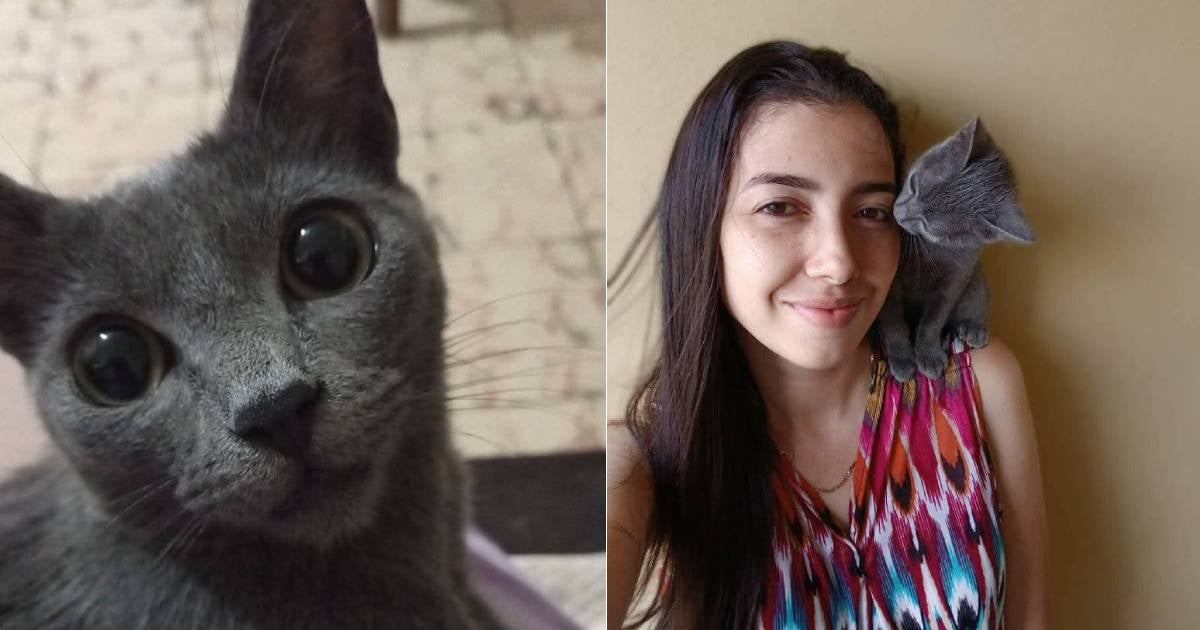
Mabel Rodríguez, Manolo Gutiérrez, and Alexander Delgado. Witnesses corroborated the violence. Photos showed trauma consistent with abuse. The case was submitted to authorities under Decreto-Ley 31.
Justice came in the form of a 1,500 peso fine. About $60.
Only one person, Manolo, was found responsible. The others were not charged. Not all eyewitnesses showed up for the investigation. No effort was made to compel their testimony.
Luna’s killer was fined, but her owner was hit with a defamation charge for naming the abusers online. The public was furious. She recounted, “What angers me the most is that they weren’t even capable of facing me. When I arrived, I found them laughing, as if they were boasting about what they had done.”
Cuba’s animal welfare law was never meant to solve the problem. It was meant to quiet it.
Four years after the passage of Cuba’s animal protection law, animals are still being raped, burned, beaten, and killed with full knowledge of the public and authorities alike. The perpetrators are known. They are named. They are filmed. And they walk free.
In Gibara, a woman discovered that her stolen cat had been killed and cooked by her neighbors. In Havana, another woman was filmed slamming a cat against the pavement to “make soup.” Days later, in the same city, a dog was found hanging from a balcony, just another ignored report among dozens.
In September 2024, the Cuban government publicly acknowledged what activists had been shouting for years. Animal abuse is on the rise. The admission came not with any meaningful action, but with bureaucracy. Lists of reporting requirements, links to slow websites, and no mention of stronger penalties or reforms.
This is the final straw, even the regime itself admits the problem is getting worse under its watch. The law exists. The evidence exists. The outrage exists.
What’s missing is the political will to act. Until that changes, the blood is on their hands.
No more fines for corpses. No more silence for rape. No more patience for systems that do not protect victims.
This is not just an animal issue. This is a test of whether Cuba is capable of confronting its own cruelty.
And the world is watching.